
Understanding the Causes and Solutions for Cracks in Construction
Cracks in building structures can be a significant concern, especially when they appear in walls. Understanding how to identify and prevent these cracks is crucial for maintaining the structural integrity of your home or building. This guide will help you recognize early signs of potential issues and provide tips on preventing further damage. You’ll learn about common causes, such as temperature changes and moisture, and explore practical solutions to keep your structure sound.
Recognizing Signs of Structural Weakness
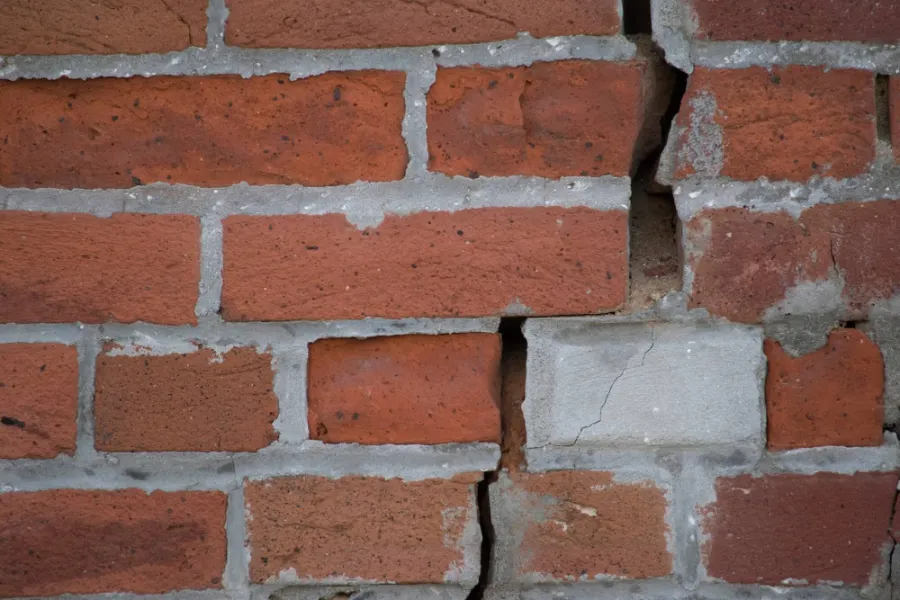
Identifying signs of potential structural problems early can save time and money. Look for visible cracks in walls, ceilings, and foundations. These cracks can vary in size and pattern, which often indicate different underlying issues. Small hairline cracks are usually less concerning but should still be monitored over time to ensure they don’t expand. Larger cracks might point to more serious problems that require professional evaluation.
Common Causes of Wall Cracks
Understanding why cracks occur can help in devising effective prevention strategies. Various factors contribute to this problem, including natural settling, temperature fluctuations, and moisture exposure. Inadequate drainage systems can lead to water accumulation, causing the soil beneath a building to shift. Similarly, extreme weather changes cause materials to expand and contract, leading to stress fractures.
The Role of Materials in Durability
Using high-quality materials during construction is essential to minimize the risk of future cracking. When it comes to Brick Masonry, selecting the right type of bricks and mortar significantly impacts the durability of the structure. Always opt for materials that withstand local climatic conditions and have proven resilience against environmental stressors.
Importance of Regular Maintenance
Regular maintenance plays an important role in preventing crack formation. Conduct frequent inspections to catch minor issues before they escalate into major problems. Pay attention to areas exposed to severe weather or heavy use. Implementing a scheduled maintenance plan ensures timely repairs and prolongs the lifespan of your brick structures.
Correcting Existing Issues
If you’ve already noticed cracks, addressing them promptly is vital. For small surface cracks, simple sealing with appropriate fillers can suffice. However, larger or deeper cracks may need professional intervention. Experts typically use methods like stitching, where metal bars reinforce cracked sections, or applying resin injections for stabilization.
Best Practices for Prevention
- Ensure proper drainage around buildings to prevent water accumulation.
- Use flexible sealants in expansion joints to accommodate movement without cracking.
- Select weather-resistant materials suitable for local climate conditions.
- Schedule regular inspections by professionals to identify potential issues early.
- Keep vegetation away from foundations to reduce root-induced pressure.
Industry Recommendations for Quality Assurance
Follow industry standards for quality assurance when constructing or renovating structures. Adhering to established guidelines ensures your building meets safety criteria and reduces the likelihood of defects. Engage reputable contractors who understand local building codes and have experience working with various construction materials.
Financial Considerations in Construction Projects
While initial costs might seem daunting, investing in quality construction methods provides long-term savings. Reliable materials and workmanship reduce repair needs over time, offering better return on investment. Calculate lifetime expenses versus upfront spending to make informed financial decisions regarding your projects.
Final Steps to Ensure Stability
Implementing these strategies helps maintain solid structures for years to come. By applying preventative measures and seeking expert advice when needed, you enhance both value and longevity. Contact Star Masonry LLC Boulder CO at (720) 821-9680 for personalized guidance tailored to your specific needs. We’re based in Boulder, CO, ready to assist with all your structural concerns.