

Why Masonry Matters in Building Durable Walls
Masonry plays a crucial role in the construction of retaining walls. These structures are essential for supporting soil and preventing erosion in various landscapes. With the right materials, such as stone or concrete blocks, masonry creates strong and lasting barriers. This article explores how masonry contributes to effective wall construction, focusing on its benefits, challenges, and best practices. We also address cost considerations and expert recommendations to ensure quality results.
Benefits of Using Masonry for Retaining Walls
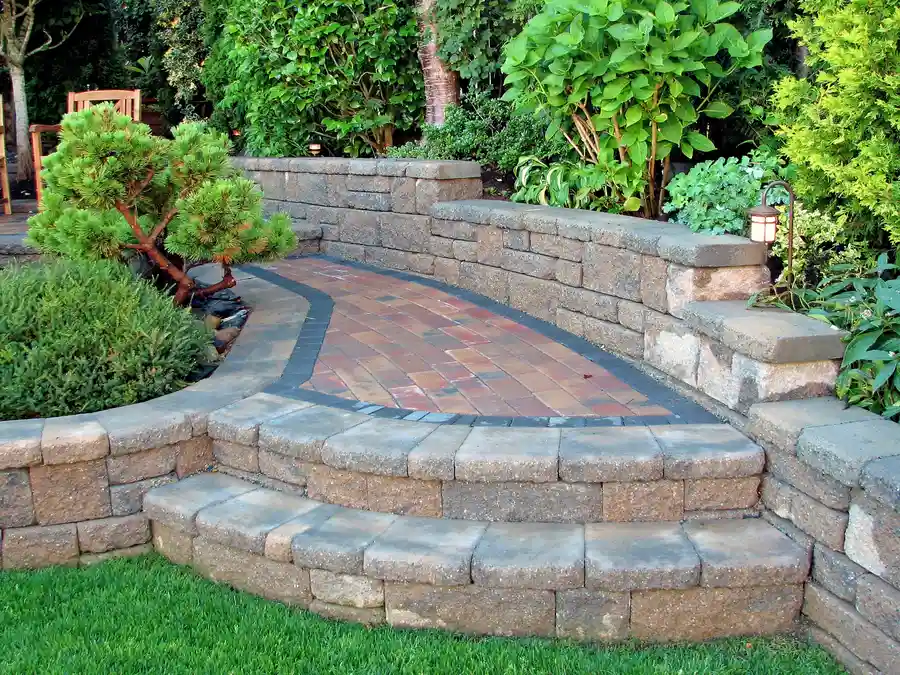
Masonry offers several advantages when used in retaining wall construction. First, it provides exceptional strength and durability, making it suitable for withstanding the forces of nature. Second, masonry walls are versatile and can be customized to fit different design aesthetics, enhancing the visual appeal of outdoor spaces. Third, these walls require minimal maintenance compared to other materials, reducing long-term upkeep costs.
Challenges in Masonry Construction
Despite its benefits, masonry construction has its challenges. One common issue is managing the weight of materials during installation, which requires skilled labor and proper equipment. Additionally, weather conditions can affect the curing process of mortar, potentially compromising wall integrity if not properly managed. Lastly, constructing complex designs may require additional planning and expertise.
Implementing Effective Masonry Solutions
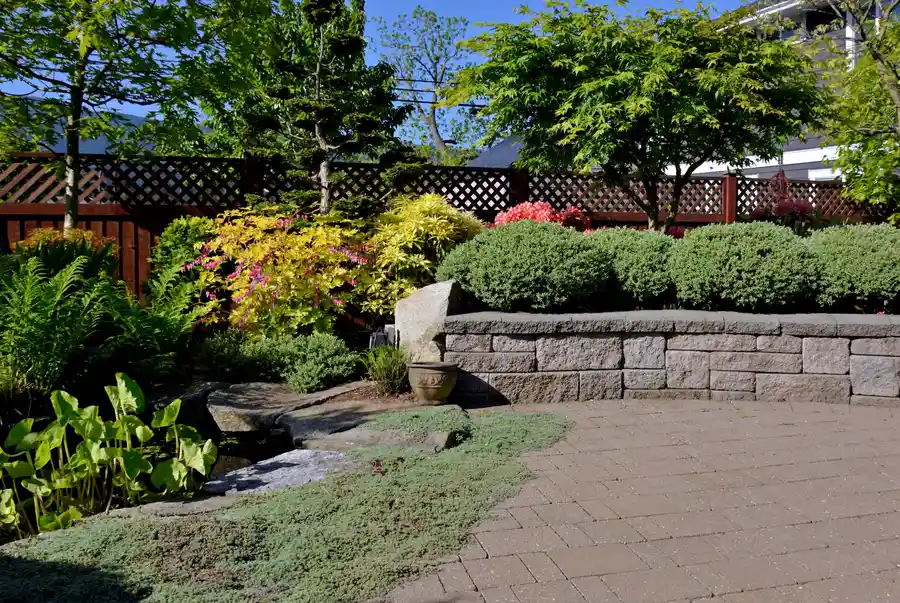
To overcome these challenges, it’s important to follow certain steps. Firstly, hire experienced professionals who understand masonry techniques. Secondly, ensure that quality materials are used throughout the project. Finally, pay attention to environmental factors like temperature and humidity during construction. By adhering to these practices, you can achieve a durable and aesthetically pleasing retaining wall.
Tips for Successful Masonry Projects
Here are some tips to enhance your masonry project:
- Choose appropriate materials based on local climate and soil conditions.
- Work with skilled masons who have a track record of successful projects.
- Plan for proper drainage systems to prevent water buildup behind walls.
- Regularly inspect walls for signs of wear and address issues promptly.
Industry Standards for Masonry Retaining Walls
Adhering to industry standards is key in masonry construction. Regulations often dictate the types of materials and methods that should be used. Familiarizing yourself with these guidelines ensures compliance and enhances safety and stability. It’s also beneficial to stay updated on any changes in building codes relevant to retaining walls.
Cost Considerations in Masonry Work
The cost of masonry work can vary widely depending on factors such as material choice and design complexity. While initial expenses might be higher than alternative methods, the longevity and minimal maintenance required make it a cost-effective solution over time. Consider potential savings from reduced repairs and enhanced property value when evaluating budget concerns.
Enhancing Landscapes With Hardscaping
Masonry is an integral part of hardscaping, offering functional and aesthetic enhancements to outdoor areas. Integrating features like retaining walls into landscape designs creates defined spaces while providing structural support. Incorporate complementary elements such as pathways or patios for cohesive outdoor environments that boost visual appeal and usability.
Final Thoughts on Masonry’s Role
Masonry remains a fundamental component in constructing retaining walls due to its durability and versatility. When implemented correctly, it provides both functional support and aesthetic value in landscaping projects. Contact Star Masonry LLC Boulder CO at (720) 821-9680 for expert assistance tailored to your needs. Our team in Boulder, CO is dedicated to delivering high-quality masonry solutions that stand the test of time.