

Understanding the Importance of Mortar for Longevity
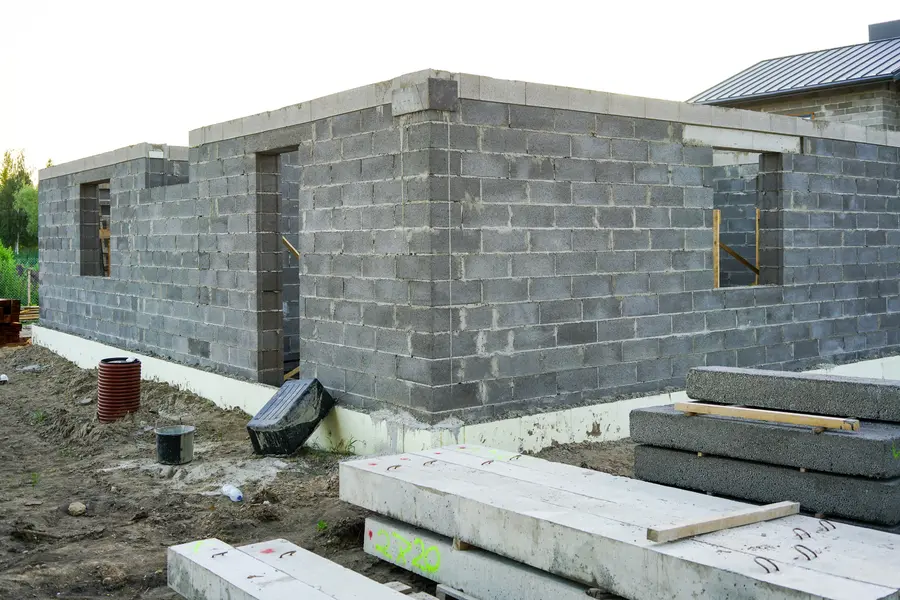
Mortar plays a crucial role in construction, especially when it comes to building with stone. It acts as the glue that holds stones together, providing stability and strength. Mortar not only binds these elements but also helps in distributing loads evenly across the structure. This ensures that the masonry can withstand various stresses over time. In this article, we will explore how mortar contributes to durable stone structures, addressing key benefits, common challenges, and best practices.
Benefits of Using Quality Mortar
Using quality mortar offers several advantages. First, it enhances the structural integrity by securely bonding stones. This reduces the likelihood of cracks or shifts over time. Second, high-quality mortar improves moisture resistance, protecting the structure from water damage. Finally, it aids in temperature regulation within the building by acting as an insulator.
Challenges Faced With Mortar Application
One common challenge in stone masonry is selecting the right type of mortar. The wrong choice can lead to issues like crumbling or reduced bond strength. Additionally, improper mixing ratios can affect consistency, making application difficult. Environmental factors such as humidity and temperature during curing also play a significant role in the final outcome.
How to Choose the Right Mortar
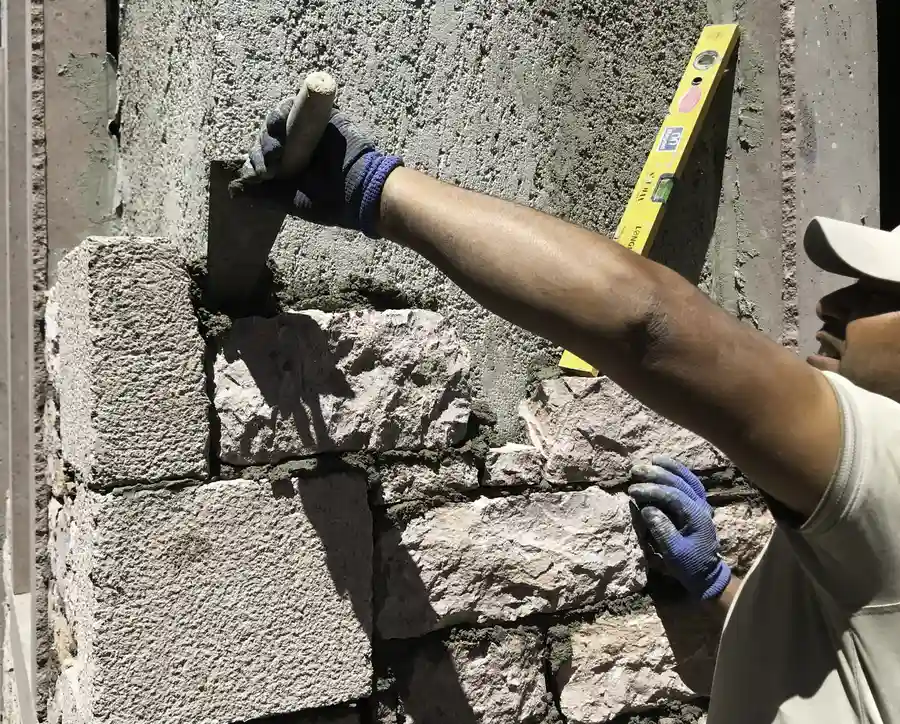
Choosing the appropriate mortar involves considering several factors. First, assess the type of stone being used, as different stones may require different mortars for optimal bonding. Next, evaluate environmental conditions where the structure will be located. It’s essential to select a mortar that can handle the local climate’s moisture levels and temperature variations.
Best Practices for Applying Mortar
Adhering to best practices during mortar application can make a significant difference in the durability of a structure. Ensure that surfaces are clean and slightly damp before applying mortar to promote better adhesion. Mix mortar to the recommended consistency, usually resembling peanut butter, for ease of application. Also, avoid applying mortar under extreme weather conditions to prevent premature drying or freezing.
Industry Standards and Compliance
Following industry standards is crucial for ensuring quality and safety. Standards such as those from ASTM International provide guidelines on material composition and performance requirements for mortar. Builders should familiarize themselves with local building codes and regulations to ensure compliance throughout their projects.
Cost Considerations When Building With Mortar
Several factors influence the cost of using mortar in construction. These include the price of raw materials, labor costs associated with skilled application, and any additional treatments required for enhanced durability. Investing in high-quality materials and professional installation can yield long-term savings by reducing maintenance needs.
Final Recommendations for Your Project
For those considering stone construction, understanding the role of mortar is vital for achieving lasting results. By selecting the right type of mortar and adhering to industry standards, you can ensure your project stands the test of time. If you’re planning a project in Boulder, CO, consider partnering with Star Masonry LLC Boulder CO for expert guidance and support. Reach out today at (720) 821-9680 to learn more about our services and how we can assist you in creating durable stone structures.